|
One saying attributed to Jesus is: “Remain in me, as I also remain in you. No branch can bear fruit by itself. It must remain in the vine. Neither can you bear fruit unless you remain in me.” (John 15:4) I interpret this teaching to be about staying in touch with our true eternal Self, ‘that of God’ within, and allowing the Inner Light to guide us.
Historically, monastic communities have lived by a Rule. (An example is the Rule of St Benedict, written around 530 AD.) Recently, I’ve been drawn to creating and adopting a personal Rule which, when I follow it, can help me to cultivate Presence and remain more consistently in the Vine. This isn’t about a set of requirements for me to adhere to rigidly for their own sake. To borrow from another of Jesus’ teachings, “The Sabbath was made for us, not we for the Sabbath.” Adopting a personal Rule is about living intentionally. Following a rhythm in daily life can help me to stay focused on entering into and dwelling within what Jesus called the ‘Kingdom of God’. For me, the Kingdom is not a place but a state of being. It is the awareness of the Presence of God. Acts of kindness, inner peace and other fruits of the Spirit will flow when we enter God’s Presence (here, now) and attend to the promptings of love and truth in our hearts. I’ve kept my Rule short and simple. In discerning what to include, I’ve asked which of the practices I’ve already been following (though perhaps inconsistently) I have found most helpful in keeping me centred? What makes the biggest difference in how present I am and in how I live out my faith in the world? I’ve been honest about what I am ready to make a commitment to do regularly – even on those days when I’m tired, or don’t feel like it. For example, there’s no point in adopting a Rule that I’ll get up at 6am every day, go for a run and then meditate for an hour before breakfast if, after a day or two, I decide that’s too much for me and I quickly abandon a morning discipline altogether. I’ve also included one practice which I haven’t been doing very often, but which (informed by one of the Quaker advices and queries) I sense would be valuable to embed in my weekly routine. I’ve arrived at three practices I’m going to commit to every day, four others that I’ll do one or more times a week, and two – including reflecting on the Rule and refining it in the light of experience – that I’ll do once a month. What practices might you be ready to commit to as a way of helping you to dwell more consistently in the Vine, and to live with presence and love?
0 Comments
“Come to me, all you who are weary and burdened, and I will give you rest.” As I interpret these words, Jesus is recalling us to the Christ Self – which He was and is, and which is our innermost Identity too. "Take my yoke upon you and learn from me, for I am gentle and humble in heart, and you will find rest for your souls." (Matthew 11:29) We are weary and burdened on a soul level – an inevitable consequence of believing we are separate individuals, apart from the Whole, doomed ultimately to wither and die. To borrow the analogy used in Chapter 15 of John’s gospel, we are living our lives as branches that have been cut from the vine. Sometimes, when working at my computer or carrying out some household task, I catch myself becoming impatient; wanting the task to be over so that I can move on to the next – more interesting – thing. Completion of the task has become my goal, and I’ve lost touch with my primary purpose, which is about my state of mind. My primary purpose can be described variously as being at peace; being whole; forgiveness (as understood in A Course in Miracles); coming to Christ; remembering my Self. Whenever I find myself getting impatient, hurrying, agitated or not at peace, it is time to pause, take a deep breath and, as John Butler advises, "feel my feet on the ground". Can I now resume the activity and be at peace? If not, it would be better to step away from the activity and give my mind space and time to return to stillness; to return to Christ. That is the yoke I yearn to take upon me. And it is my primary task. “I rest in God.” This thought will bring to you the rest and quiet, peace and stillness, and the safety and the happiness you seek. “I rest in God.” This thought has power to wake the sleeping truth in you, whose vision sees beyond appearances to that same truth in everyone and everything there is. Here is the end of suffering for all the world, and everyone who ever came and yet will come to linger for a while. Here is the thought in which the Son of God is born again, to recognize himself. A friend sent me this text this morning:
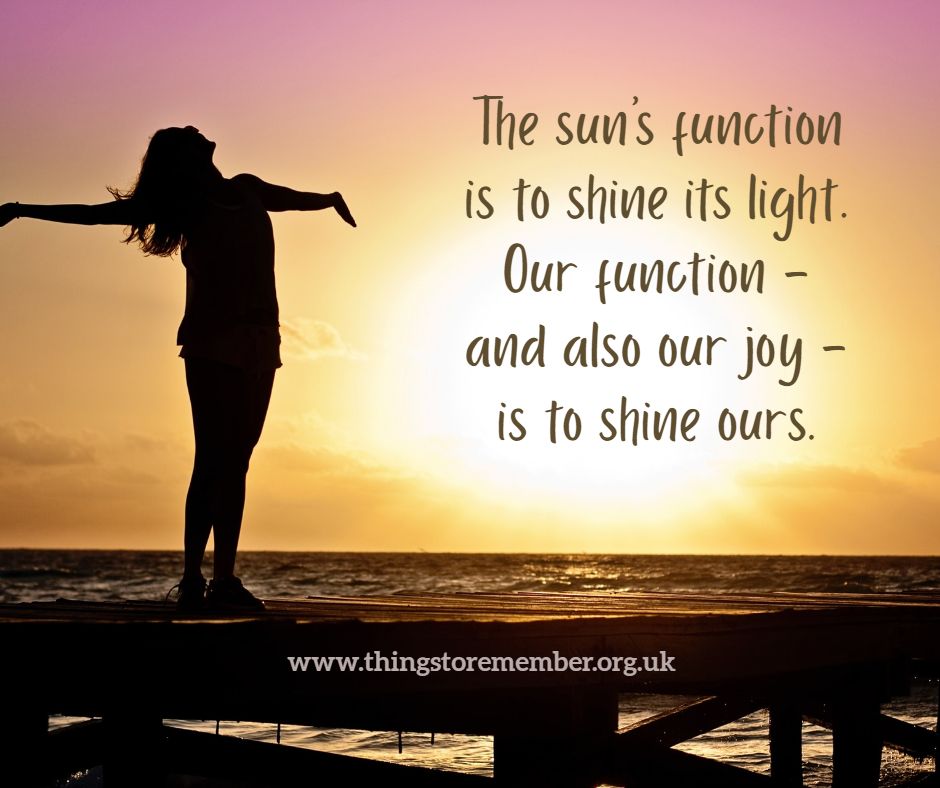
Even after all this time The sun never says to the earth, "You owe me." Look What happens With a love like that. It lights the whole sky. (Poem by Hafiz.) |
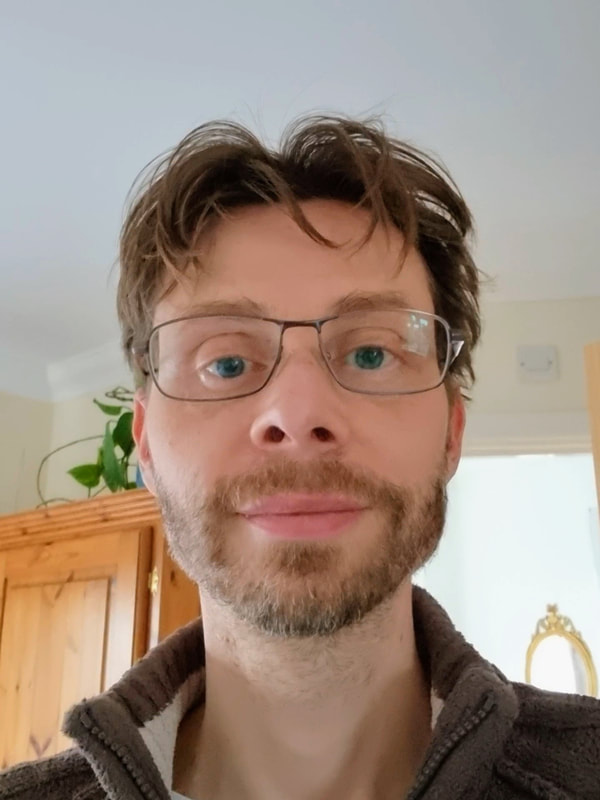
AuthorPeter Parr: Quaker, writer and former member of the British minigolf team. (Actually those are all just roles I play. Words can't describe who any of us really are.)
|
RSS Feed